Secondary Water Barrier Roof Protection Pensacola
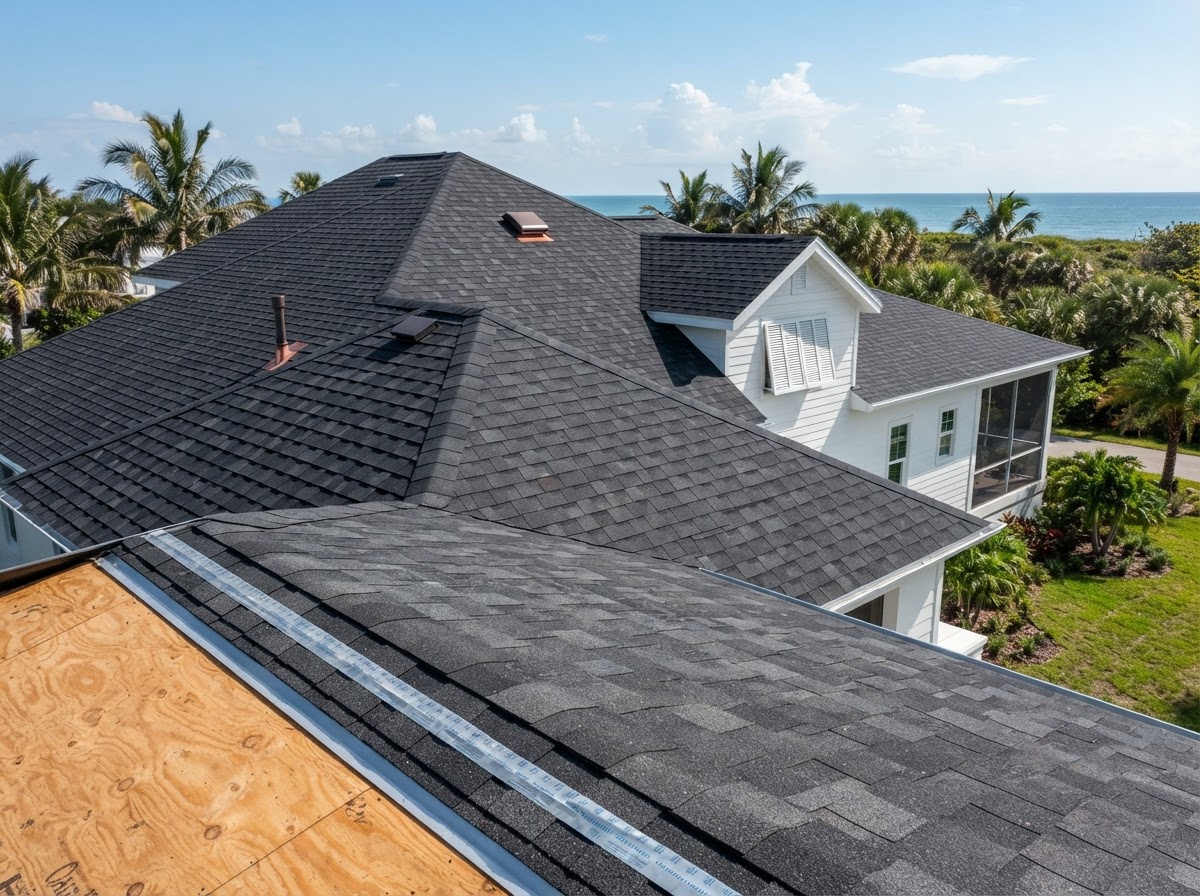
A Secondary Water Barrier (SWB) is a continuous waterproof layer applied directly to roof deck sheathing before asphalt shingles or metal roofing are installed. If hurricane winds strip away outer shingles or metal panels, a self-adhered rubberized asphalt membrane seals tightly around roof fasteners and plywood joints—preventing torrential wind-driven rain from entering your attic and home interior.
A secondary water barrier is a self-adhered polymer-modified bitumen or synthetic membrane (commonly called peel-and-stick underlayment) applied directly to plywood decking seams or across the entire roof deck. Designed to remain watertight even if primary shingles or metal panels are torn away by hurricane winds, installing an approved SWB satisfies Florida Building Code sealed-deck standards, qualifies for MSFH grant funding, and reduces home insurance premiums.
Types of Secondary Water Barriers for Florida Roofs
Florida Building Code recognizes several methods for creating a sealed roof deck assembly beneath primary roofing materials.
| Barrier Type | Installation Method | Protection Level |
|---|---|---|
| Full Deck Peel-and-Stick | Self-adhered rubberized membrane covering 100% of roof plywood deck | Maximum leak protection; seals around nails; top wind mitigation insurance discount |
| Taped Deck Seams | 4-inch self-adhered flash tape over plywood joints with synthetic underlayment over top | Code-compliant sealed deck; protects sheathing seams if outer shingles fail |
| Self-Adhered Underlayment Lap | High-temperature self-adhered membrane under metal standing seam or 5V crimp | Essential for coastal metal roofing; withstands extreme heat while remaining 100% waterproof |
Why a Secondary Water Barrier is Crucial in Pensacola
During hurricanes like Sally or Ivan, high winds blow off shingles or loosen metal panels, exposing traditional felt underlayment which tears easily. Rain driven at 100+ mph can flood an attic within minutes unless a sealed secondary water barrier is in place.
- Self-seals around roofing nails, screws, and decking staples to block water ingress at every fastener hole
- Keeps your home dry even if outer shingles or metal roofing are completely stripped away by storm winds
- Eliminates deck joint water leaks that cause interior ceiling collapses and mold growth after major storms
- Qualifies for high-tier wind mitigation insurance premium discounts on Escambia and Santa Rosa policies
Installing a Secondary Water Barrier During Reroofing
The ideal time to install a secondary water barrier is during a complete shingle roof replacement or shingle-to-metal conversion when old roofing is torn down to raw decking.
My Safe Florida Home Eligible
Installing an approved self-adhered secondary water barrier is an officially funded mitigation category under MSFH grant rules.
My Safe Florida Home Grant for Metal RoofsMetal & Shingle Compatibility
High-temperature peel-and-stick membranes are specially formulated for intense heat beneath standing seam and 5V crimp metal roof panels.
Metal Roof InstallationShingle Roof ReplacementRelated underlayment and deck resources
Frequently Asked Questions
Protect Your Deck With a Secondary Water Barrier.
Contact Pensacola Metal & Shingle Roofing Contractors for a detailed written estimate across Pensacola, Escambia County, and Santa Rosa County.
Request Your Roofing Estimate
Direct consultation for Pensacola & Escambia County residential and coastal properties.